6 Smart Tips to Master Your Sit-Stand Desk Routine
Sit-stand desks are transforming modern workspaces, and it’s not just a trend. According to research from the CDC and the American Journal of Preventive Medicine, alternating between sitting and standing can significantly reduce physical discomfort, boost energy levels, and even enhance mental focus.
But here’s the catch: standing for too long without preparation can cause fatigue and strain. The secret? Transition slowly and intentionally. Below are six practical steps to help you use your sit-stand desk like a pro and enjoy all its benefits.
1. Ease Into It: Start Slow and Build Consistency
Don’t rush it. Begin by standing for 15 to 30 minutes every hour during your workday.
Gradually increase your standing time each week until you hit the sweet spot. Experts suggest aiming for 2 to 4 hours of standing daily, spread throughout the day.
🔔 Pro Tip: Use a sit-stand timer app to build a habit and avoid overdoing it.
2. Prioritize Ergonomics: Set Up for Comfort and Efficiency
Your setup makes all the difference.
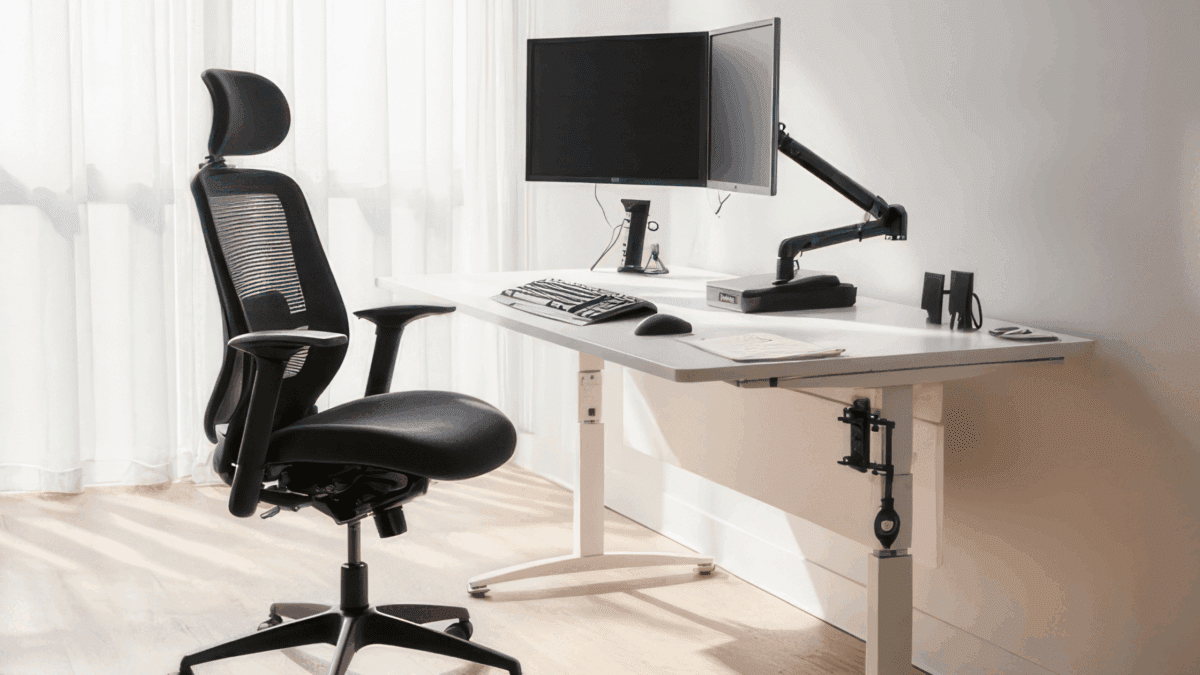
- Keep your elbows at a 90-degree angle when typing.
- Position your monitor at eye level to avoid neck strain.
- Stand tall distribute weight evenly across both feet and avoid locking your knees.
- Invest in an anti-fatigue mat to minimize pressure on your feet and joints.
3. Stay Active: Don’t Just Stand Still
Standing still for too long can be just as uncomfortable as sitting.
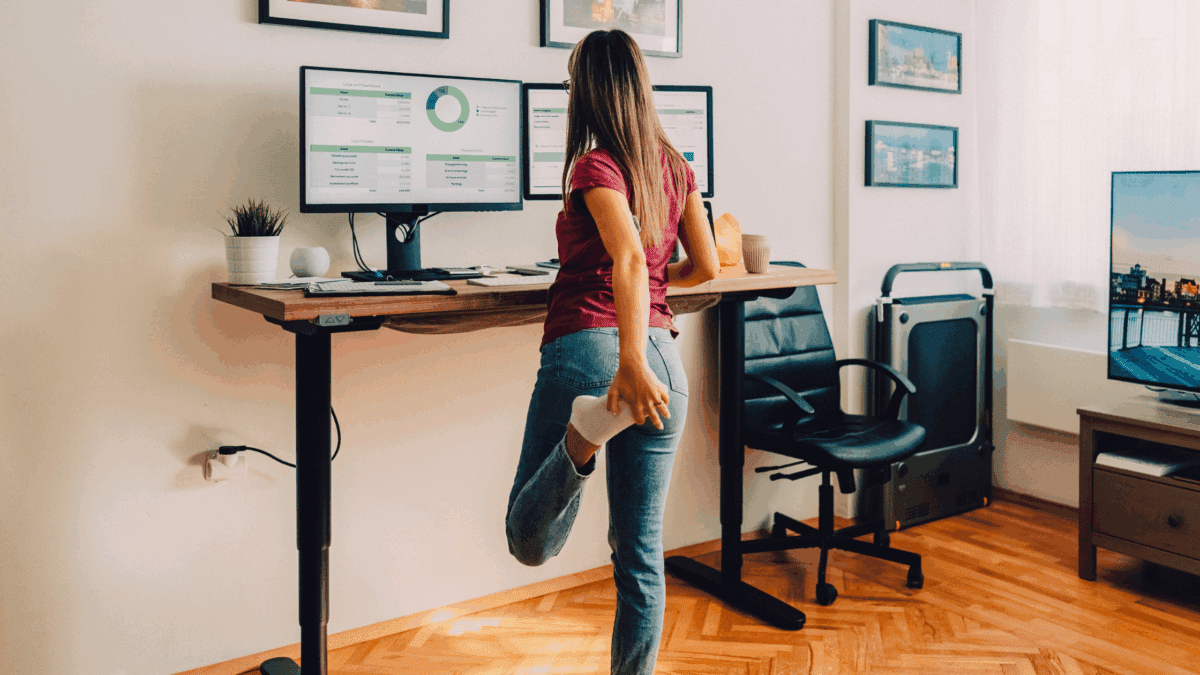
- Shift your weight occasionally.
- Do light stretches or take mini walk breaks every hour.
- Roll your shoulders, rotate your ankles, or do a quick calf raise to keep your blood flowing.
💡 Movement is key to avoiding stiffness and improving circulation.
4. Wear the Right Footwear: Support Matters
Proper shoes can make or break your sit-stand experience.
- Choose supportive and cushioned shoes or use orthopedic insoles.
- Avoid standing in heels or on hard surfaces without support.
👟 Comfortable shoes = longer standing periods without pain.
5. Tune Into Your Body: Adjust as Needed
Your body gives feedback, listen to it.
- A bit of initial soreness is normal.
- Sharp pain, swelling, or numbness? That’s a red flag. Reduce your standing time and adjust your setup.
- Make changes gradually and give your body time to adapt.
6. Reap the Benefits: Boost Health and Productivity
Making the switch to a sit-stand desk offers real rewards:
✅ Increased focus and daily energy
✅ Better posture and reduced back pain
✅ Lower risk of cardiovascular and metabolic issues tied to prolonged sitting
📈 A 2016 study in the Journal of Occupational Health Psychology found sit-stand users reported better overall job performance and alertness.
Final Thoughts: It’s All About Balance
Transitioning to a sit-stand desk isn’t about standing all day. It’s about movement, posture, and variety. By easing into the habit and maintaining ergonomic alignment, you’ll enjoy greater comfort, better health, and improved work performance every single day.
Browse our sit-stand desk inventory today.