Skip to content

Should Your Office Be Using AI to Track Space Utilization?

Search

The Office Resort Trend: How Companies Are Redesigning Offices for 2026

The Office Resort Trend: How Companies Are Redesigning Offices for 2026

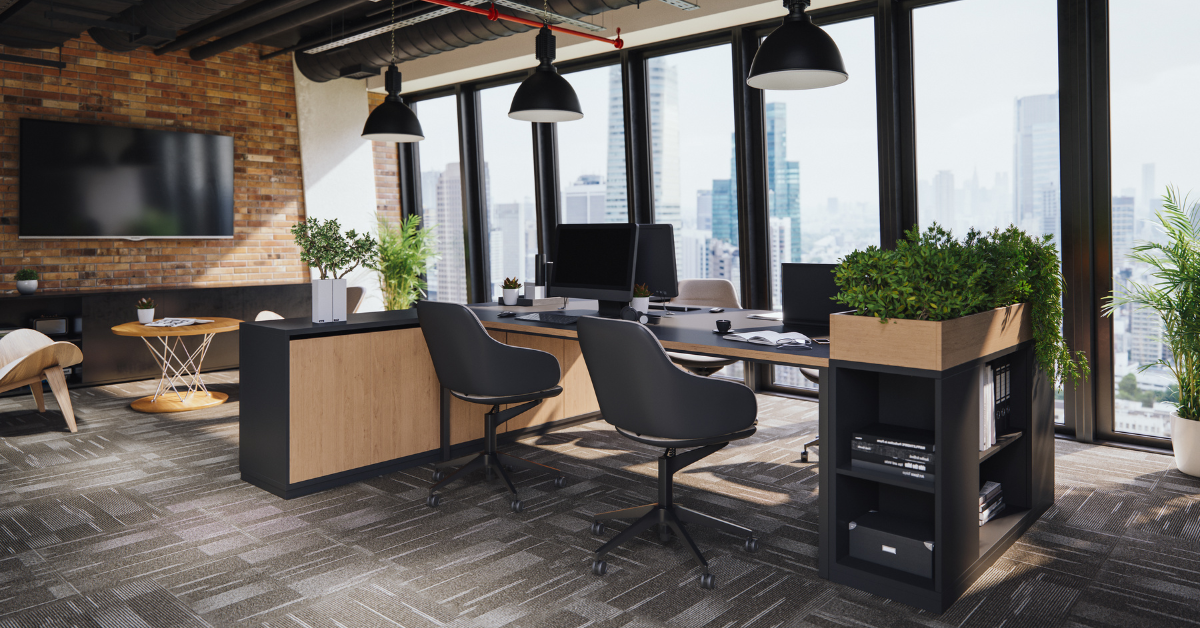
The office resort is a workplace design trend that combines traditional office furniture with hospitality-inspired spaces such as lounges, cafés, collaborative areas, private rooms, and flexible workspaces. The goal is to create a modern office that gives employees more choice in where and how they work.

As companies continue refining hybrid work and return-to-office strategies in 2026, office design and commercial office furniture are becoming increasingly important parts of the employee experience.

Instead of simply bringing employees back to the same office they left, businesses are reconsidering what their workplaces should provide.

What Is an Office Resort?

An office resort is an office designed to provide some of the comfort, flexibility, and variety commonly associated with hotels and hospitality spaces.

It doesn’t mean turning the workplace into an actual resort.

Instead, companies are incorporating different types of spaces within the same office, including:

The idea is simple: employees shouldn’t have to perform every task from the same type of workspace.

A modern office can provide different environments for focused work, meetings, collaboration, video calls, and informal conversations.

Why Are Companies Redesigning Their Offices?

Hybrid work changed what employees expect from the workplace.

When employees can complete focused work from home, commuting to an office simply to sit at another desk may provide little additional value.

That is forcing businesses to reconsider the purpose of their physical office space.

Modern office space design increasingly focuses on providing experiences that are difficult to recreate remotely, including face-to-face collaboration, spontaneous conversations, team meetings, social interaction, and access to specialized workspaces.

This is one reason hybrid office design is becoming less about maximizing the number of desks and more about creating a variety of useful spaces.

Hospitality Is Influencing Modern Office Design

Walk into a modern hotel lobby and you’ll often find multiple seating environments within the same room.

There may be lounge chairs for conversations, communal tables for working, quiet corners, charging stations, café seating, and spaces designed for groups.

Modern workplaces are beginning to use a similar approach.

Instead of designing an entire office around one type of workstation, companies can combine commercial office furniture to create different environments throughout the workplace.

An employee might begin the morning at an ergonomic workstation, move to a collaborative table for a team meeting, use a privacy booth for a video call, and have an informal conversation in a lounge area later that afternoon.

The office becomes a collection of spaces designed around different activities.

Are Office Workstations Going Away?

No. Office workstations remain an important part of modern office design, particularly for employees who need an ergonomic environment for extended periods of focused work.

What is changing is the space around them.

Instead of filling an entire floor with identical workstations, businesses can combine office workstations with meeting spaces, collaborative furniture, lounge areas, privacy solutions, and flexible seating.

This approach provides employees with more choices while maintaining dedicated areas for productive individual work.

What Furniture Is Best for a Hybrid Office?

The best hybrid office furniture is flexible enough to support multiple employees, tasks, and schedules.

Common furniture solutions for hybrid workplaces include:

Ergonomic Office Workstations

Workstations provide employees with dedicated space for focused work while supporting monitors, technology, storage, and ergonomic accessories.

Sit-Stand Desks

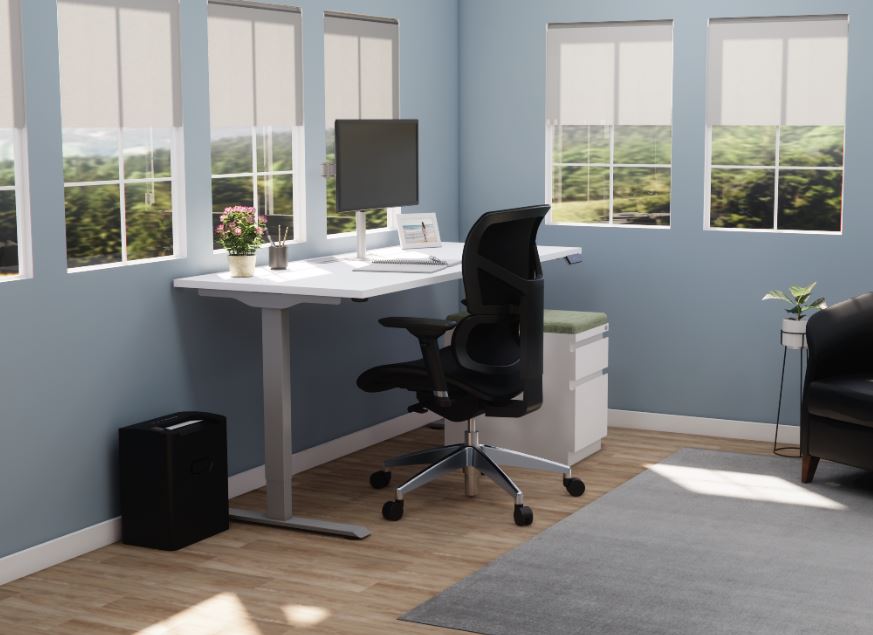
Height-adjustable desks allow employees to alternate between sitting and standing throughout the workday and can work particularly well in shared or flexible environments.

Collaborative Office Furniture

Large tables, mobile furniture, whiteboards, and flexible seating can create spaces where teams can quickly meet and work together.

Office Lounge Furniture

Sofas, lounge chairs, occasional tables, and soft seating can transform unused areas into spaces for informal meetings, conversations, and short work sessions.

Office Privacy Booths

Phone booths and privacy spaces provide employees with areas for video calls, phone conversations, and focused work without requiring the construction of additional permanent offices.

Conference Room Furniture

Conference tables, meeting chairs, power-integrated tables, and presentation furniture continue to play an important role in workplaces where employees frequently meet.

How Do You Make an Office More Inviting?

Making an office more inviting doesn’t necessarily require a complete renovation.

Businesses can often improve their workplace by creating more variety within the existing floor plan.

That might mean converting an underused area into a collaborative space, adding lounge seating near workstations, introducing height-adjustable desks, or installing privacy booths for employees who need quiet space.

Furniture can dramatically change how employees use an office without requiring major architectural changes.

Flexible Office Furniture Can Help Companies Adapt

Hybrid schedules can make office planning difficult.

The number of employees using the workplace may change throughout the week, and teams may come into the office together on specific days.

That makes flexible office furniture increasingly valuable.

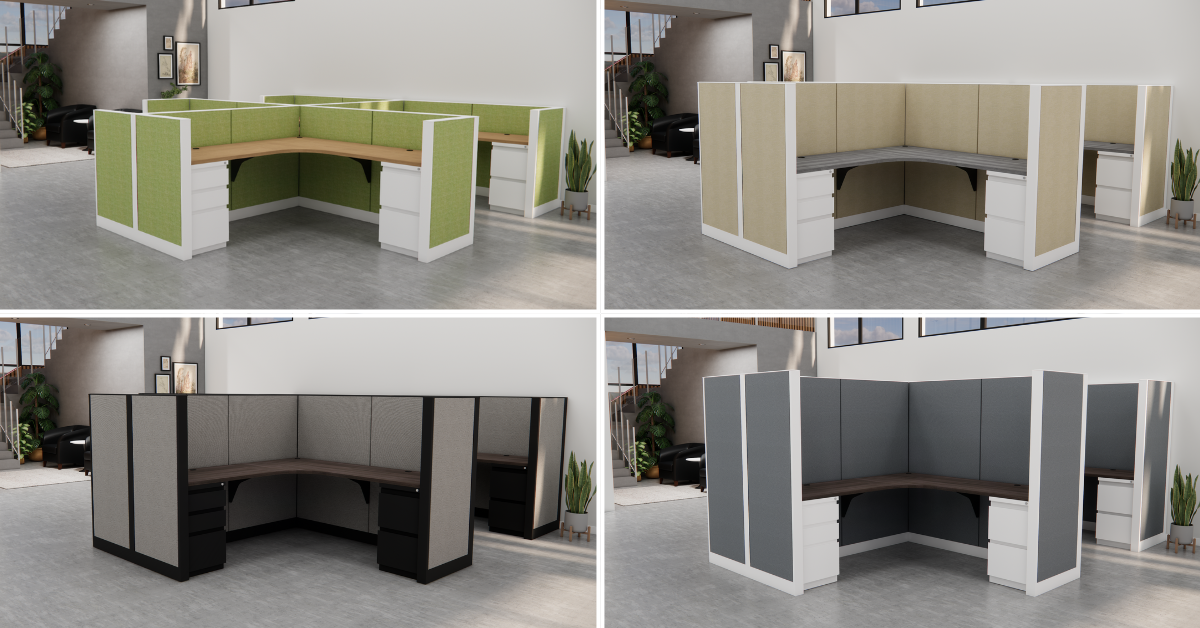
Modular workstations, mobile tables, movable storage, flexible seating, and multipurpose furniture allow businesses to adjust their office layouts as their needs change.

Companies can create spaces that work today without permanently locking themselves into one configuration.

Modern Office Design Doesn’t Require a Huge Budget

Hospitality-inspired corporate offices featured online can make modern workplace design look expensive.

It doesn’t have to be.

One of the biggest opportunities for businesses is combining new, remanufactured, and used office furniture.

High-quality used office furniture from major manufacturers can often provide businesses with commercial-grade products while allowing more of the project budget to be spent across the entire workplace.

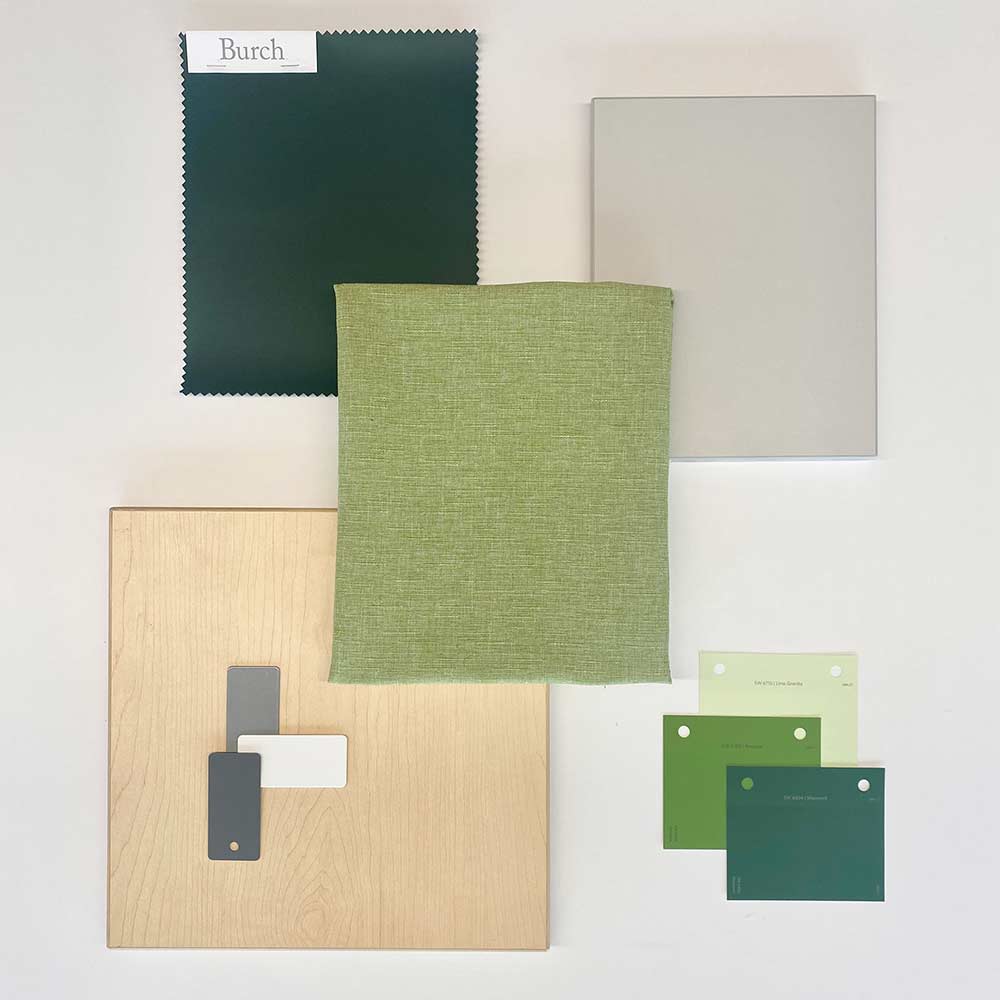
Remanufactured office furniture provides another option for companies that want to customize finishes, fabrics, configurations, and other elements while extending the useful life of existing commercial furniture.

This approach can be particularly valuable for large office furniture projects, where hundreds of workstations, chairs, tables, storage units, and other pieces may be required.

Frequently Asked Questions

What is the office resort trend?

The office resort trend is a workplace design approach that incorporates hospitality-inspired elements such as comfortable lounge spaces, cafés, collaborative areas, private rooms, and flexible furniture into traditional offices.

What is hybrid office design?

Hybrid office design creates workplaces for employees who divide their working time between the office and remote locations. These offices commonly combine individual workstations with collaborative, meeting, privacy, and shared spaces.

What office furniture works best for hybrid workplaces?

Hybrid workplaces commonly use ergonomic workstations, sit-stand desks, collaborative tables, mobile furniture, lounge seating, privacy booths, conference furniture, and flexible storage.

Can used office furniture be used for a modern office redesign?

Yes. Commercial-grade pre-owned office furniture can be incorporated into modern workplace designs and combined with new or remanufactured furniture to accommodate different budgets, quantities, and design requirements.

How can a company redesign an office without renovating?

Businesses can change how an office functions by reconfiguring workstations, adding collaborative furniture, creating lounge areas, introducing privacy booths, and using flexible or modular furniture without making major structural changes.

Join Our Newsletter